For decades, intrusion alarms have been the backbone of physical security. Installed in homes, commercial properties, and critical infrastructure sites, they have served a clear purpose: to detect intrusions and trigger an alarm. However, this role is currently undergoing a fundamental transformation.
Drivers of Transformation
Intrusion alarm systems are no longer standalone devices. Thanks to advances in connectivity, cloud technologies, and analytics, they have evolved into smart, connected technologies.
The main catalyst for this change is the industry’s transition from analog (PSTN) lines to IP-based signaling. IP connectivity, combined with 4G/LTE, Wi-Fi, and Ethernet connections, means that the system is no longer just an “alarm transmitter.” It provides:
- real-time system status updates;
- remote configuration and diagnostics;
- firmware updates without an on-site visit.

Resilience as a Priority
As connectivity increases, so does the importance of cybersecurity. In the professional systems we integrate, dual-path and multi-path communications (such as a combination of 4G and wired IP) are no longer “optional extras” - they are a mandatory requirement, a necessity to ensure continuity even in the event of a single-channel failure. Protection against signal jamming and secure encryption protocols are equally vital.
Systems that combine wired IP and mobile communication paths provide critical redundancy. Protection against intentional interference is particularly important. By using STid’s highest-security-level readers and encrypted communication protocols, we ensure that signal jamming or communication path disruption becomes a practically impossible task. Resilience must be built in at the design stage, especially for high-risk facilities.
The Power of Integration and False Alarms
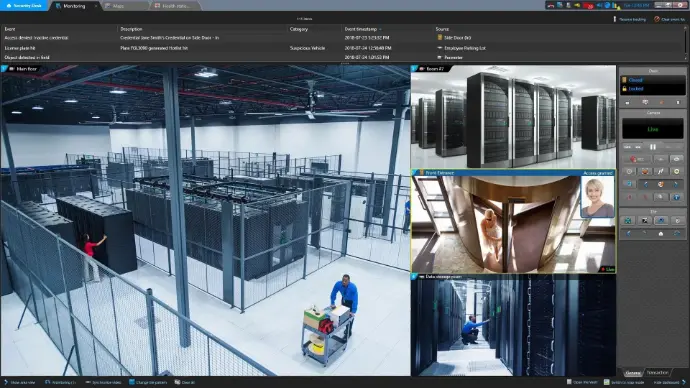
The traditional fragmented approach, where each system operates in its own "silo"—with access control, video surveillance, and alarm systems functioning in isolation—creates gaps in effectiveness. Therefore, one of the most significant trends is the integration of intrusion detection with unified security platforms, such as Genetec Security Center. Integration changes everything, because it means:
- automated response: An intrusion alarm can automatically trigger building lockdown protocols or access restrictions.
- video verification: By combining the alarm with video, it is possible to instantly confirm an incident, reducing false alarms.
For example, when an intrusion alarm seamlessly communicates with SimonsVoss wireless access control and Hanwha Vision video surveillance, the system is able to respond automatically. Yes, false alarms remain the industry’s biggest challenge, but modern systems combat them with behavioural analytics and cross-sensor validation, learning to recognize daily patterns and distinguish them from real threats.

Professional Standards vs. Consumer Expectations
Although consumer-grade "smart lock" devices are popular, they cannot replace professional systems. The growth of the "do-it-yourself" (DIY) market for security products and smart home devices has helped shift consumer expectations. Features such as app control, instant notifications, and remote access are now considered standard. And while consumer-grade devices have raised awareness of infrastructure security (institutions, businesses, private homes, etc.), they have also blurred the line between convenience and compliance with standards. Therefore, the challenge for the professional sector today is to offer this same simplicity without compromising compliance with strict standards (such as the EN 50131 grading system), and the goal is to reduce complexity for installers without compromising security. Every day, we must educate customers on the difference between convenience gadgets and fully certified and secure equipment.
The argument is simple: professional systems provide layered resilience and protection against tampering, which are critical for meeting insurance and regulatory requirements—features that are often missing in consumer devices.

Operational Efficiency and "Lockdown"
Cloud platforms have transformed the maintenance model. Centralized management allows installers to monitor system health remotely, reducing unnecessary on-site visits, lowering fuel costs, improving engineer efficiency, and accelerating customer service response times.
It also creates opportunities for recurring revenue through service contracts and managed security offerings. For end users, cloud connectivity means greater visibility and control. App-based dashboards provide peace of mind, instant notifications, and the ability to manage the system from anywhere in the world. However, cloud adoption must go hand in hand with robust cybersecurity. Encryption of communication channels, secure authentication protocols, protected firmware updates, and secure data storage practices are essential. Systems must protect alarm signals, user credentials, event logs, and personal data. Compliance with data protection regulations, including the General Data Protection Regulation (GDPR), is non-negotiable.
One of the most striking examples of integration is the immediate building lockdown. As soon as an alarm signal is received, the command is immediately transmitted to wireless cylinders and handles, instantly locking all predefined door groups, thereby ensuring security in schools, offices, and retail locations. For example, by integrating the SimonsVoss wireless access system with Genetec Security Center intrusion alarm technologies, users gain a "live" security ecosystem.
Unlike traditional wired systems, this wireless integration is quick to install and adaptable to existing doors without the need for cable runs, ensuring the highest level of security in critical infrastructure facilities. This is no longer just about a lock, but rather an intelligent system that acts on your behalf in a critical moment.
Impact on the Baltic Security Sector
When analyzing all of the aforementioned facts in the context of the Baltic states, five main impacts can be identified:
1. The decline of PSTN and the IP standard: As Latvian telecommunications operators fully transition to digital infrastructure, the aforementioned duplication of IP and mobile communications (4G/5G) becomes the only technically sound solution for local integrators.
2. Remote service as a solution to the shortage of engineers: The Baltic states face a shortage of qualified low-voltage technicians. The aforementioned remote diagnostics and configuration enable Baltic companies to service more sites using fewer personnel. However, this requires both theoretical and practical training for staff.
3. The cost pressure of false alarms: Given the rising costs of energy and labor in Baltic, false alarms are becoming increasingly financially burdensome for security companies. The aforementioned video verification and smart analytics are a direct solution for reducing unnecessary security team dispatches, which is critical to the industry’s profitability.
4. The convergence of cybersecurity and physical security: Given Baltic’s strategically significant geopolitical position, cybersecurity requirements for state and critical infrastructure facilities must be maintained at the highest level. Therefore, for example, Latvia’s cybersecurity environment (National Cybersecurity Center requirements) stipulates that alarm systems must also be cyber-secure. This involves the aforementioned encryption of communication channels, which is becoming a priority in government and municipal procurement.
5. The triumph of wireless integration: Given the many renovation projects and historic buildings in Riga, Tallinn, Vilnius, Kaunas and elsewhere in the Baltic, the integration of wireless locks with alarm systems (without the need for wiring) mentioned in this article is the most effective path to modern security. This is because intrusion alarm systems in the Baltic are no longer just “noise makers,” but rather integrated, cyber-secure, and smart building management tools that ensure business continuity.