Perimeter and intrusion detection
Innovation is a central element in this dynamic interaction. Advanced sensors, intelligent video analytics, and state-of-the-art technologies come together to create a robust security system. The goal is clear: to extend the protective shield beyond simple physical barriers, transforming the perimeter into an intelligent, proactive sentinel that adapts to the nuances of today’s security challenges.
Senstar Technologies is a world leader in advanced sensors and information management with more than 40 years of practical experience. Senstar also has the world's most extensive private perimeter security testing field to ensure its products work in the most extreme conditions.

Made in France
Smart solutions for vertical markets
Improved sensor fusion
Robust and reliable technology
Scalability and flexibility
As a leading global provider of top-quality security solutions, Hirsch draws on its global expertise to pursue a single, focused mission: Unified Security. Unlimited Possibilities.
Hirsch offers a way to consolidate fragmented security systems into a single, interconnected ecosystem. Protect your facility against intrusions with Hirsch’s integrated perimeter security solutions, designed to detect threats early, mitigate risk, and ensure a decisive response in complex environments. Quick to deploy, easy to operate, and adaptable to your company’s growth.

Made in France
PERIMETER
Identify, prevent, and investigate incidents before they escalate
INTRUSION
Reduce false alarms, speed up response times, and improve monitoring
ACCESS
Secure access, permission management, streamlining operations
IDENTIFICATION
Consolidate identity, role, and access data across all websites and systems
VIDEO
Visual inspection, situational awareness, and more effective investigation
INTEGRATION
Integrate existing systems, standardise workflows, and avoid a complete system overhaul
Lidar capture software. Ensure peace of mind and security with real-time, verified detection and tracking.

Made in Sweden
Intelligent safety lighting
Dynamic methods of deterrence
Energy efficient LED technology
Integration with security ecosystems
Scanning LiDAR equipment with NO moving parts. Opsys' semiconductor-based solution offers significant cost savings, as the technology, which contains no moving parts, supports automotive standards.
Made in Israel
Solid scanning LiDAR solution
NO moving parts
Energy efficient LED technology
Integration with security ecosystems

Made in Sweden
Intelligent Security Lighting
Dynamic Deterrence Techniques
Energy-Efficient LED Technology
Integration with Security Ecosystems
Mission and core values
Senstar Technologies
The company was founded in 1981 with the goal of introducing technologies originally intended for military use into the commercial security market. With just seven employees, Senstar launched its first product, Sentrax - an underground cable perimeter security technology - in September 1982. Among its first users were the Canadian Correctional Service, the UK Home Office, and the Western Australian Correctional Service.
Hirsch
Hirsch offers a range of pre-sales and post-sales services to best assist you throughout the entire customer security project and security system installation process. Our extensive product range allows us to adapt to any type of facility using customised, individually designed, and unique solutions.
Hirsch is a leading player in the European security market and offers the broadest and most comprehensive product portfolio, covering the full range of perimeter intrusion detection technologies.

Flasheye
Flasheye is one of the first 3D lidar monitoring systems specifically designed for easy installation and plug-and-play analytics.
Flasheye software processes 3D data in real time to detect events and respond with accurate data, while also providing insight into our physical world. 3D monitoring will drive automation and improve safety across all industries.
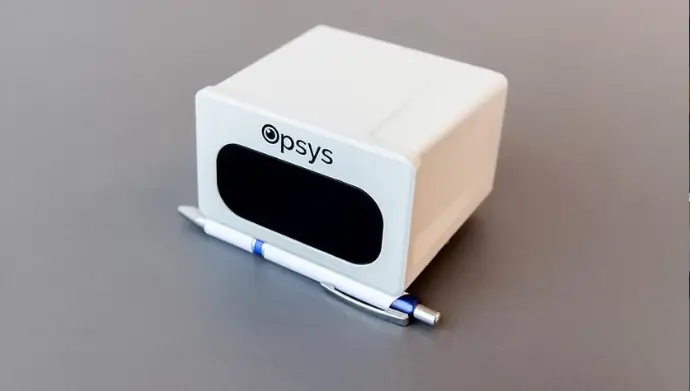
OPSYS Technologies
Opsys Technologies manufactures lidar devices with no moving parts, which means reliable safety monitoring for customers over many years and lower maintenance costs.
Opsys has developed advanced all-solid-state 4D LiDAR scanning solutions designed for mass adoption and commercialization, including in the fields of ADAS and autonomous vehicles, with a focus on maximum safety and performance.
Manufacturing processes
While specific details about the manufacturing processes of these are proprietary and may vary, there are common manufacturing principles that both companies, being in the security technology sector, might follow:
Research and Development
All these manufacturers begin their manufacturing processes with extensive research and development. This involves designing and prototyping their security products, incorporating the latest technologies and innovations to meet the evolving needs of the market.
Component Sourcing
The manufacturing process would involve sourcing high-quality components from reliable suppliers. These components could include infrared sensors, LEDs, control boards, and other specialised materials necessary for the production of intelligent security solutions.
Quality Control
Both companies would likely implement stringent quality control measures at various stages of the manufacturing process. This includes testing individual components, conducting quality checks during assembly, and comprehensive testing of finished products to ensure they meet the required standards.
Assembly and Integration
The assembly phase involves putting together the various components to create the final product. In the case of Hirsch, this might involve assembling smart infrared barriers, and for Flasheye, it could involve integrating sensors and LEDs into intelligent security lighting systems.
Testing and Calibration
Rigorous testing and calibration procedures would be employed to verify the functionality and reliability of each product. This includes testing the accuracy of intrusion detection for Sorhea's barriers and ensuring the optimal performance of Flasheye's dynamic deterrence features.
Enclosure and Weatherproofing
As both Hirsch and Flasheye produce outdoor security solutions, there would likely be a focus on enclosure design and weatherproofing. This step ensures that the final products can withstand various environmental conditions, including rain, dust, and temperature fluctuations.
Frequently asked questions (FAQ)
If you have questions,
send us a message, and we will contact you within the next 1-2 working days.
If you want faster answers, just call us!